
Sankranthi marks the sun's entry into Makara (Capricorn). Celebrated across India with kite flying, bonfires, til-jaggery sweets, and harvest gatherings. Send invitations for family meals and community events.
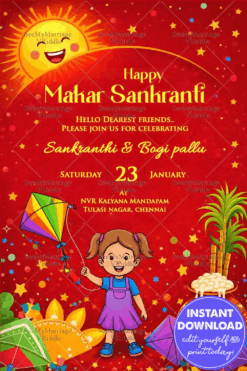

About Sankranthi
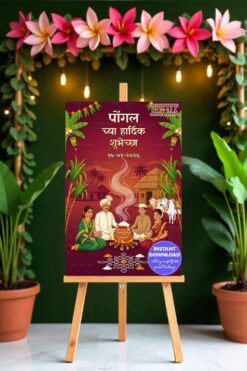
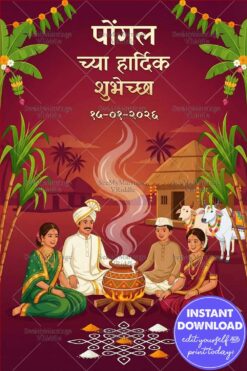
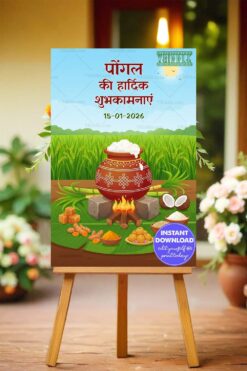
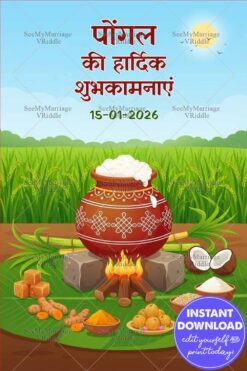
Sankranthi is a harvest festival observed in January when the sun transitions into the zodiac sign Makara. It is celebrated across India under different regional names: Makar Sankranti in North India, Pongal in Tamil Nadu and Andhra Pradesh, Lohri in Punjab, Makar Mela in Uttar Pradesh, and Uttarayan in Gujarat. The festival spans 1–3 days and marks the end of winter and the beginning of the spring harvest season. Key customs include flying kites (especially in Gujarat and Rajasthan), lighting bonfires (Lohri), preparing and sharing til-jaggery sweets and sesame brittle, boiling rice in new clay pots (Pongal), sugarcane distribution, cattle decorations (in South India), and family gatherings with feasts. Invitations should state the date (typically January 14 or 15), venue, meal time, and whether guests should bring or wear traditional attire. Regional variations affect food, rituals, and décor—North Indian homes emphasize bonfires and til laddu, while Southern celebrations center on clay pots and boiling rice ceremonies.
Cultural context
Sankranthi is a secular harvest and solar festival observed across Hindu, Sikh, and regional communities in India. It marks an astronomical event—the winter solstice transition—rather than a religious ritual, making it a pan-Indian cultural celebration. The festival acknowledges the agricultural cycle, gratitude for the harvest, and renewal of family bonds. Bonfires, kite flying, and communal feasts are its defining practices.
Also known as
Pongal (Tamil) · Lohri (Punjabi) · Uttarayan (Gujarati) · Makar Mela (Hindi)