
Bhumsavanam is a Hindu ritual blessing a pregnant woman and the child she carries. Held in the second or third trimester, it celebrates fertility and seeks divine protection.
Seemantham
Pumsavana
Valaikappu
Dohale Jevan



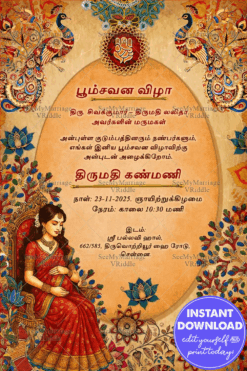
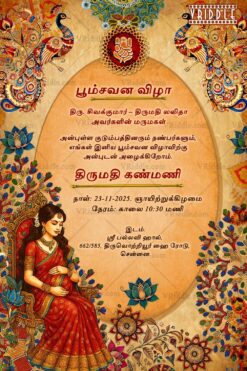


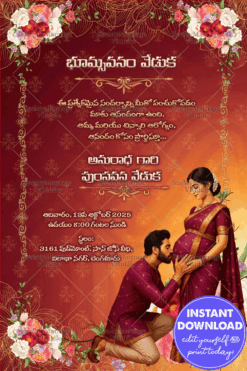
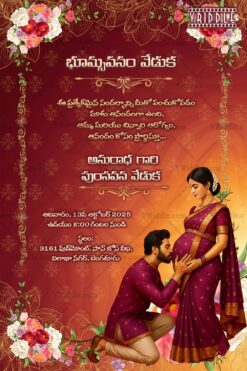
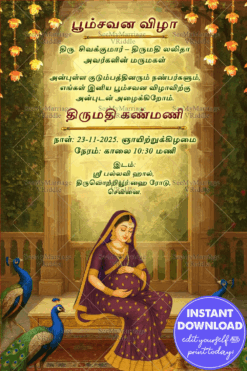
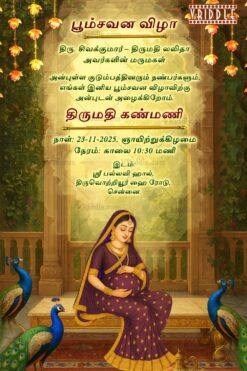
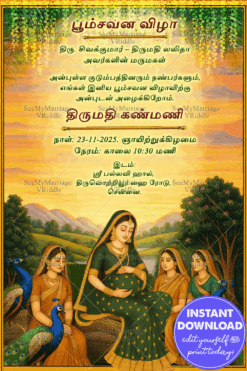
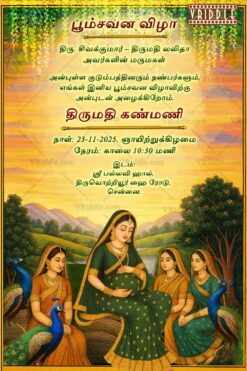
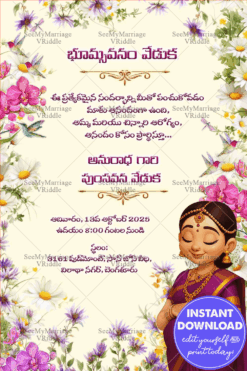
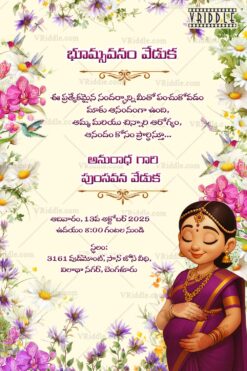
About Bhumsavanam
Bhumsavanam, also called Pumsavana or Seemantham, is a Vedic ceremony performed during pregnancy to bless the mother and invoke healthy fetal development. Typically held in the second or third trimester, the ritual involves prayers, anointing the mother with sacred oils and turmeric paste, and offerings to ensure a safe pregnancy and strong male child (though modern practice welcomes all genders). The ceremony is conducted by a priest or elder family members and attended by close relatives and friends. Key participants include the pregnant woman, her spouse, parents, and in-laws. An invitation must include the date, time, location, and the names of the hosts. Some families specify dress code or dietary preferences. Regional practices vary: South Indian versions often feature elaborate rituals with flowers and fruit offerings, while North Indian traditions may emphasize specific planetary alignments or auspicious timing based on the lunar calendar.
Cultural context
Bhumsavanam belongs to the Garbhadhana and Pumsavana Samskaras—life-cycle rituals in Hinduism that mark transitions and invoke divine blessings. The ceremony honors the mother's body as the vessel of new life and seeks protection from pregnancy complications. It reflects ancient Hindu beliefs in the connection between ritual, intention, and well-being, with roots in Vedic texts and regional folk traditions across India.
Also known as
Seemantham (Tamil, Telugu, Kannada) · Pumsavana (Sanskrit) · Valaikappu (Malayalam) · Dohale Jevan (Marathi)