
Baisakhi marks the Sikh and Hindu new year, celebrated on April 13–14 with harvests, kite flying, and community gatherings across Punjab and beyond.


About Baisakhi
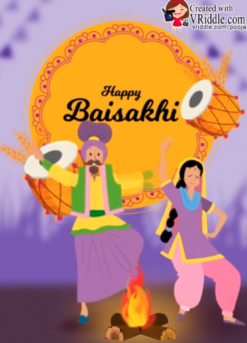
Baisakhi is a harvest festival and new year celebration observed primarily in Punjab, though it's recognized across northern India and the diaspora. The date falls on April 13 or 14 each year, aligned with the solar calendar. For Sikhs, Baisakhi commemorates the founding of the Khalsa in 1699. For Hindus, it marks the start of the new year and spring harvest. Celebrations include flying colorful kites, wearing traditional dress (turbans, kurtas, salwar kameez), preparing festive meals with new grains, and organizing fairs and gatherings. An invitation to a Baisakhi event should communicate the date, time, venue, and nature of the celebration—whether a family meal, community fair, gurdwara event, or social gathering. Traditionally, events take place in homes, gurdwaras, temples, or public spaces. Regional customs vary: Punjab emphasizes kite flying and bhangra dancing; other regions may focus on the harvest or temple observances.
Cultural context
Baisakhi is rooted in the Punjabi agricultural calendar and Sikh religious history. For Sikhs, April 14, 1699, marks Guru Gobind Singh's establishment of the Khalsa. The festival celebrates community, renewal, and the arrival of the spring harvest. It is observed by Sikhs, Punjabi Hindus, and communities across India's diaspora with shared customs of kite flying, feasting, and social gathering.